Organizing an event in Dubai involves much more than selecting a venue, arranging entertainment, and managing guests. Whether it is a corporate gathering, sports competition, school function, exhibition, concert, festival, hotel event, or large public gathering, organizers also need to consider the health and safety of attendees, staff, performers, and participants.
A well-planned medical response can help event teams deal with unexpected injuries, minor illnesses, falls, heat-related concerns, and other medical situations that may occur during an event. This is where professional event first aid services in Dubai and an appropriate event ambulance service can play an important role.
Medical support can be arranged according to factors such as the type of event, expected attendance, venue, duration, activities, and potential risks. Depending on the event, organizers may require trained first aid personnel, an onsite medical team, an ambulance, or a combination of services.
What Are Event First Aid Services?
Event first aid services are medical support arrangements provided during an event to respond to injuries, sudden illness, and other health-related incidents.
The level of support can vary depending on the event. A small corporate meeting may have different requirements from a large sporting event or public festival.
Professional first aid event services may include trained medical personnel who remain available at the venue throughout the event. Their role can include assessing attendees, providing appropriate first aid, monitoring patients, and determining whether further medical attention is required.
Why Is First Aid Cover Important for Events in Dubai?
Events can bring together large numbers of people in one location. Even when an event appears low risk, unexpected medical situations can occur.
Someone may experience a minor injury, become unwell, faint, suffer from heat related discomfort, or require urgent medical assessment.
Having suitable first aid cover for events provides organizers with a structured response when a medical issue occurs.
Faster Initial Medical Response
When trained medical personnel are already present, an attendee does not have to wait for event staff to determine what to do before appropriate assistance begins.
Better Event Preparedness
Medical coverage becomes part of the overall event safety plan rather than being treated as an afterthought.
Support for Event Staff
Security personnel, venue teams, and event managers can focus on their responsibilities while qualified medical professionals handle medical incidents within their scope.
Assistance With Medical Incidents
From minor injuries to situations requiring escalation, an onsite medical team can assess the situation and determine the appropriate next step.
Greater Confidence for Organizers and Attendees
Knowing that professional medical support is available can provide additional reassurance to event organizers, staff, participants, and visitors.
What Is an Event Ambulance Service?
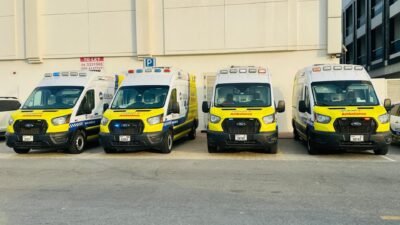
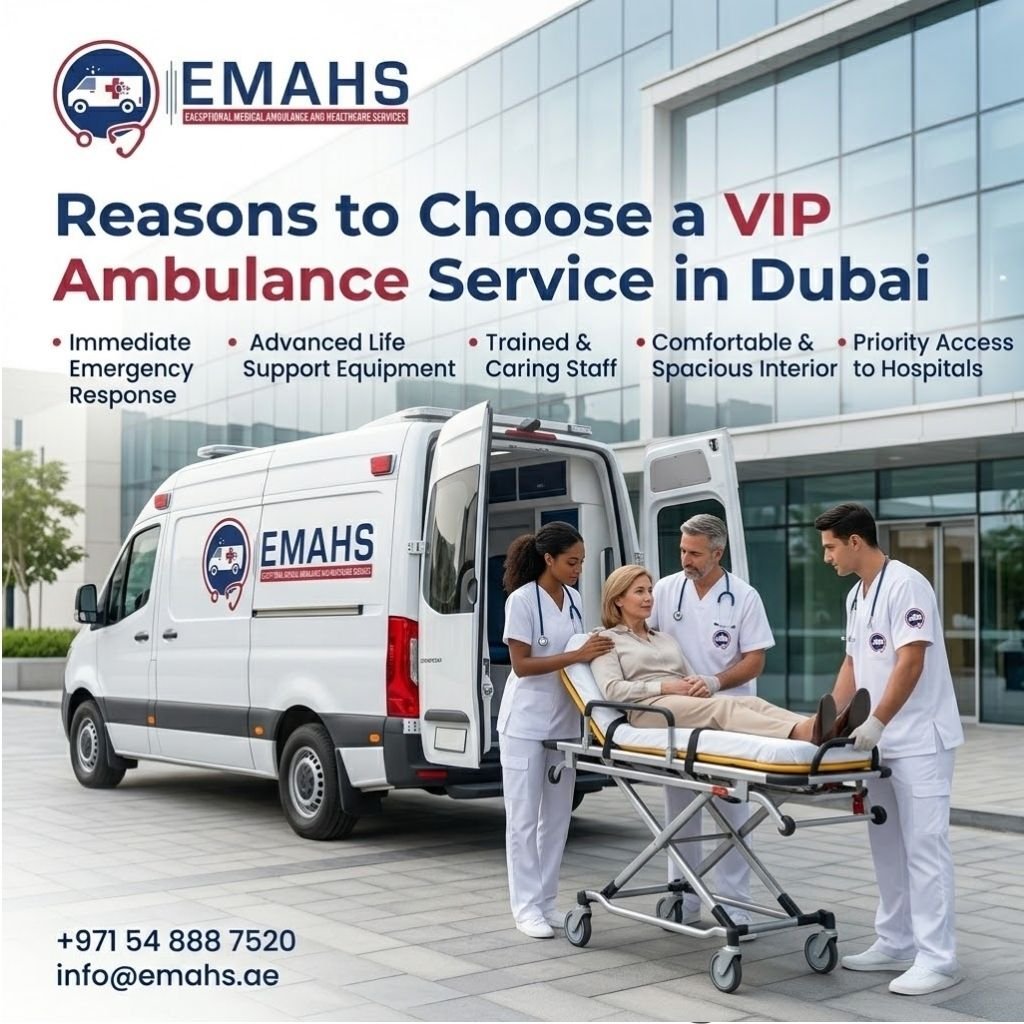
An event ambulance service involves providing ambulance support specifically for an event or organized gathering.
An ambulance may be positioned at or near the venue for the agreed event period, depending on the medical plan and requirements. Its purpose is to provide an additional level of emergency medical support and, when necessary, facilitate patient transfer according to appropriate medical procedures.
The need for an ambulance depends on several factors. Event organizers may consider:
- Expected attendance
- Event duration
- Venue size
- Location
- Type of activities
- Participant profile
- Potential injury risks
- Outdoor or indoor setting
- Distance from appropriate medical facilities
- Requirements of the venue or relevant authorities
- Whether the event involves sports or physically demanding activities
An ambulance should not simply be viewed as transportation. Proper event medical planning considers the overall medical response, including the personnel and resources needed at the venue.
When Should an Event Have an Ambulance?
There is no single event format that automatically determines the exact level of medical coverage required. Each event should be assessed according to its specific circumstances.
An ambulance for events may be particularly relevant when an event involves:
Large Crowds
A higher number of attendees can increase the likelihood of medical incidents simply because more people are present.
Sports Activities
Sports events can involve falls, collisions, dehydration, strains, and other injuries. Medical support can therefore be an important component of event planning.
Outdoor Events
Outdoor gatherings may involve environmental considerations, especially during periods of elevated temperatures.
Physically Demanding Activities
Events involving strenuous activities may have different medical considerations from conferences or indoor meetings.
Long Duration Events
A medical plan may be particularly useful when an event continues for many hours or across multiple days.
Children or Elderly Attendees
Events involving groups that may require additional medical consideration should have an appropriate response plan.
Remote or Large Venues
When an event takes place across a large site or at a location where access may be more challenging, organizers may need to consider onsite medical resources carefully.
First Aid Cover vs Event First Aid Services
Event organizers often ask whether they need basic first aid cover or more comprehensive event first aid services. While both focus on supporting the health and safety of attendees, the level of support can vary depending on the event.
First aid cover generally provides immediate assistance for minor injuries and common medical concerns that can be managed safely at the event venue. This may include basic wound care, assessment of minor injuries, support for dizziness, dehydration, and other suitable first aid needs.
Event first aid services can provide a broader medical support arrangement, with trained personnel, appropriate first aid equipment, designated medical areas, and an organized response process based on the event’s requirements.
What Can First Aid Event Services Include?
The exact scope of first aid event services depends on the provider and event requirements.
Depending on the arrangement, onsite medical support may involve:
- Initial assessment of injuries or illness
- Basic first aid assistance
- Wound and minor injury care
- Support for minor incidents
- Monitoring of individuals who become unwell
- Assessment of whether further medical attention is required
- Medical response coordination
- Emergency escalation when appropriate
- Ambulance support when included in the event plan
- Assistance with medical incident documentation
Event organizers should discuss the exact scope of service with the medical provider before confirming coverage.
What Types of Events May Need Medical Coverage?
Different types of events have different medical considerations. Professional medical support can be arranged for a wide range of settings.
Corporate Events
Corporate conferences, product launches, business gatherings, employee events, seminars, and company functions may involve hundreds or thousands of attendees.
Although these events may generally be considered lower risk, unexpected illness or injury can still occur.
Having suitable medical support allows the event team to respond in an organized manner.
Sports Events
Sports competitions and recreational activities can involve a greater possibility of physical injury.
Sports clubs and event organizers may consider medical coverage for:
- Football tournaments
- Running events
- Cycling events
- Martial arts competitions
- Fitness competitions
- School sports
- Swimming events
- Community sports activities
An event medical plan can be developed according to the nature and intensity of the activity.
Concerts and Entertainment Events
Concerts, festivals, performances, and entertainment events may attract large crowds.
Potential situations can include minor injuries, fainting, dehydration, crowd related incidents, or sudden illness.
The appropriate medical setup can help event staff respond more effectively.
Exhibitions and Trade Shows
Dubai hosts numerous exhibitions, conferences, and business events throughout the year.
Exhibition organizers may arrange medical support for attendees, exhibitors, contractors, and staff, particularly when the event is large or operates over an extended period.
Hotels and Resorts
Hotels and resorts regularly host weddings, conferences, celebrations, corporate events, and other gatherings.
Medical coverage can be planned according to the venue, expected attendance, event activities, and duration.
Schools and Universities
Schools and universities may organize sports days, graduation ceremonies, competitions, festivals, educational activities, and large gatherings.
Medical planning can be especially important for events involving children, students, physical activities, or large groups.
Construction and Industrial Events
Construction and industrial environments may involve equipment, machinery, elevated areas, tools, and other occupational hazards.
When organizations conduct events, training activities, open days, or large gatherings at such locations, appropriate medical support should be considered as part of the overall safety plan.
What Should Organizers Consider Before Booking Medical Coverage?
Choosing medical support should be part of the event planning process.
Before arranging an ambulance event service, organizers should consider several factors.
1. Number of Attendees
The expected attendance can influence the level of medical resources required.
A small private event may have different needs from a public gathering involving several thousand attendees.
2. Event Type
A conference, football tournament, music festival, exhibition, and school sports day all have different risk profiles.
3. Venue Layout
Organizers should consider the size of the venue, access points, parking areas, entrances, exits, and locations where medical personnel can be positioned.
4. Event Duration
The medical coverage plan should account for the full operating period of the event, including setup or other periods if medical presence is required.
5. Indoor or Outdoor Location
Outdoor events may require additional consideration of environmental conditions, while indoor venues may present different access and crowd management considerations.
6. Activities Taking Place
High intensity sports, rides, physical challenges, water activities, and other attractions can affect the potential medical risks.
7. Audience Profile
The expected audience can also influence planning. Events may include children, older adults, athletes, international visitors, or people with varying levels of physical activity.
8. Emergency Access
The event plan should consider how medical personnel and emergency vehicles can reach the relevant areas quickly.
9. Communication
Event organizers should establish clear communication between medical personnel, security teams, venue management, and event coordinators.
10. Applicable Requirements
Organizers should confirm the requirements that apply to their specific event and venue and ensure that medical arrangements align with relevant local regulations and approvals.
How Does Event Medical Coverage Usually Work?
Although each event is different, medical coverage generally begins with planning.
Step 1: Understand the Event
The medical provider reviews basic information about the event, such as:
- Date and duration
- Venue
- Expected attendance
- Event activities
- Audience
- Potential risks
- Access arrangements
Step 2: Assess Medical Requirements
Based on the event information, the provider can help determine the appropriate type and level of medical support.
This could include first aid personnel, medical staff, an ambulance, or a combination of resources.
Step 3: Plan Medical Positioning
Medical personnel and resources should be positioned strategically so that they can respond effectively.
The location of the ambulance and medical team should also take venue access into account.
Step 4: Provide Onsite Coverage
Medical professionals remain available for the agreed event period and respond to incidents according to their professional scope and the established event plan.
Step 5: Escalate When Required
If an incident requires a higher level of medical care, the situation can be escalated through the appropriate emergency response process.
This structured approach helps integrate medical support into the broader event safety plan.
How to Choose an Event Ambulance Service in Dubai
Choosing a medical provider should involve more than searching for an ambulance for events and selecting the first available option.
Organizers should evaluate the provider carefully.
Check Professional Credentials
Make sure the provider operates appropriately and uses qualified healthcare professionals.
Ask About Event Experience
Experience with event medical coverage can be valuable because event environments differ from standard clinical settings.
Medical teams need to work alongside event managers, security personnel, venue staff, and other teams.
Understand the Service Scope
Ask exactly what is included in the service.
For example:
- Is an ambulance included?
- Are trained medical personnel provided?
- How many personnel will attend?
- What equipment is available?
- What are the coverage hours?
- Is the service suitable for the event’s risk level?
Discuss the Venue
Provide detailed venue information so the medical provider can understand access, crowd movement, and potential positioning requirements.
Confirm Availability
Large events should be planned well in advance where possible, especially when medical coverage is required for a specific date and time.
Consider Communication and Coordination
The medical provider should be able to coordinate professionally with the event management team and other relevant stakeholders.
Why Professional Medical Coverage Matters for Event Organizers
Event organizers are responsible for coordinating many moving parts.
Security, crowd management, transportation, venue operations, catering, technical equipment, entertainment, registration, and emergency planning all need attention.
Medical coverage is one part of this broader planning process.
Having professional medical personnel onsite can help establish a clear response pathway when a medical incident occurs.
Instead of leaving event staff to determine how to respond independently, a dedicated medical team can assess the situation and provide appropriate assistance within its professional responsibilities.
This can be particularly valuable for events where the number of attendees, venue size, or activity level increases the possibility of medical incidents.
Medical Coverage for Hotels and Resorts in Dubai
Dubai’s hotels and resorts host weddings, conferences, corporate functions, private celebrations, exhibitions, and other events.
For these venues, medical coverage can be planned according to the individual function.
For example, a hotel hosting a corporate conference may have different medical considerations from a resort hosting a large outdoor sporting activity.
Event organizers and venue management can work with medical service providers to determine whether first aid personnel, an ambulance, or additional medical resources are appropriate.
Medical Support for Corporate Companies and Offices
Corporate organizations may organize annual gatherings, conferences, employee activities, product launches, exhibitions, and other events.
While many corporate events have a relatively low physical risk, medical incidents can still occur.
A planned event ambulance service or first aid team can form part of the company’s wider event safety strategy.
This can be especially useful for large corporate events involving employees, visitors, contractors, and external guests.
Medical Coverage for Schools and Universities
Schools and universities may host sports days, competitions, graduation events, open days, festivals, and other large gatherings.
Organizers should consider the age and number of participants, activities involved, venue layout, and duration of the event when developing the medical plan.
For sports events in particular, first aid and appropriate medical resources can be an important part of event preparation.
Medical Support for Sports Clubs and Event Organizers
Sports clubs should consider medical planning for both competitive and recreational activities.
The potential for physical injury can vary significantly depending on the sport.
For example, a running event may involve different considerations from a contact sport.
A medical provider can help organizers determine the appropriate level of onsite coverage based on the event activities and expected participation.
Planning for Outdoor Events in Dubai
Outdoor events require careful planning because environmental conditions can affect attendees and staff.
Organizers should consider:
- Event timing
- Venue conditions
- Duration
- Access to shaded or suitable areas
- Water availability
- Expected attendance
- Physical activities
- Medical response arrangements
The medical team should also have appropriate access to the event area and clear communication with event management.
Why Medical Planning Should Start Early
Waiting until the last stage of event preparation to arrange medical coverage can create unnecessary pressure.
Early planning gives organizers time to:
- Understand their medical requirements
- Compare service options
- Discuss the venue with the provider
- Confirm availability
- Coordinate medical access
- Include medical arrangements in the event safety plan
- Communicate responsibilities to relevant teams
For large events, early coordination can be particularly important because multiple operational teams may need to work together.
Common Mistakes Event Organizers Should Avoid
Treating Medical Coverage as an Afterthought
Medical support should be considered during the event planning stage rather than immediately before the event.
Choosing Coverage Based Only on Event Size
Attendance is important, but it is not the only factor. Event type, activities, venue, audience, and environmental conditions can also affect medical requirements.
Failing to Consider Ambulance Access
Even when an ambulance is arranged, organizers should ensure there is a suitable access route.
Not Communicating With the Medical Team
Medical personnel should understand the venue layout, event schedule, emergency access points, and communication procedures.
Assuming Every Event Needs the Same Coverage
Medical planning should be tailored to the specific event rather than using the same arrangement for every gathering.
Why Choose EMAHS for Event Medical Support in Dubai?
For organizations arranging events in Dubai, EMAHS provide professional medical support based on the needs of the event.
A suitable medical plan can help event organizers address first aid requirements and arrange appropriate ambulance support where needed.
EMAHS can work with organizations across different sectors, including corporate companies, hotels and resorts, event management companies, schools, universities, sports organizations, healthcare facilities, and other institutions.
Frequently Asked Questions About Event First Aid Services in Dubai
What are event first aid services?
Event first aid services provide trained medical support at an organized event to assist with injuries, sudden illness, and other medical situations that may occur during the event.
What is an event ambulance service?
An event ambulance service provides ambulance support for an organized event. Depending on the arrangement, the ambulance may remain onsite for the agreed coverage period and provide an additional level of medical response and patient transport support when required.
Does every event in Dubai need an ambulance?
Not necessarily. The appropriate level of medical coverage depends on factors such as the event type, attendance, activities, venue, duration, and applicable requirements. Organizers should assess their specific event before deciding on the required medical resources.
What is the difference between first aid cover and an ambulance?
First aid cover generally provides onsite assistance for injuries and health incidents that can be addressed within the scope of first aid and onsite medical care. An ambulance provides a higher level of emergency medical support and may facilitate patient transport when required.
Can I arrange an ambulance for a sports event?
Yes, event ambulance services can be considered for sports events. The appropriate medical coverage depends on the sport, number of participants, venue, duration, and associated risks.
Can hotels arrange first aid cover for events?
Yes. Hotels and resorts can arrange medical coverage for conferences, weddings, corporate functions, celebrations, and other events according to the requirements of the gathering.
Are event medical services suitable for corporate events?
Yes. Corporate companies can arrange first aid or medical support for conferences, employee events, exhibitions, product launches, and other large gatherings.
Do schools and universities need event medical coverage?
Schools and universities should consider medical coverage based on the type of event, number of attendees, activities, participant age, venue, and other relevant factors.
How early should an event organizer arrange medical coverage?
It is generally better to begin planning medical coverage as early as possible. Early planning gives organizers time to discuss event requirements, confirm availability, coordinate access, and integrate medical support into the wider event plan.
How do I choose the right event ambulance service in Dubai?
Consider the provider’s professional credentials, event experience, service scope, medical personnel, equipment, availability, communication procedures, and ability to work with your venue and event management team.
Can first aid and ambulance services be arranged together?
Depending on the provider and event requirements, first aid personnel and ambulance support can be incorporated into the same event medical plan.
What information does a medical provider need before an event?
Providers may need information such as the event date, venue, duration, expected attendance, activities, audience, potential risks, venue access, and the type of medical coverage being considered.
Final Thoughts
Medical preparedness should be an important part of planning any event in Dubai. While many events take place without serious medical incidents, organizers should still have a suitable response plan for unexpected injuries, illness, or other health concerns.
The right first aid cover for events depends on the event itself. Factors such as attendance, venue, activities, duration, audience, and potential risks can all influence the level of support required.
For some gatherings, trained first aid personnel may be appropriate. Other events may benefit from a more comprehensive arrangement involving an event ambulance service and onsite medical professionals.
The key is to plan early, understand the event’s requirements, and work with an experienced medical service provider.
If you are organizing an event in Dubai and need professional first aid event services or an ambulance for events, contact EMAHS to discuss your event requirements and explore an appropriate medical coverage solution.