




How to Keep an Accurate Symptom Record Before Seeing a Doctor
When you are preparing for
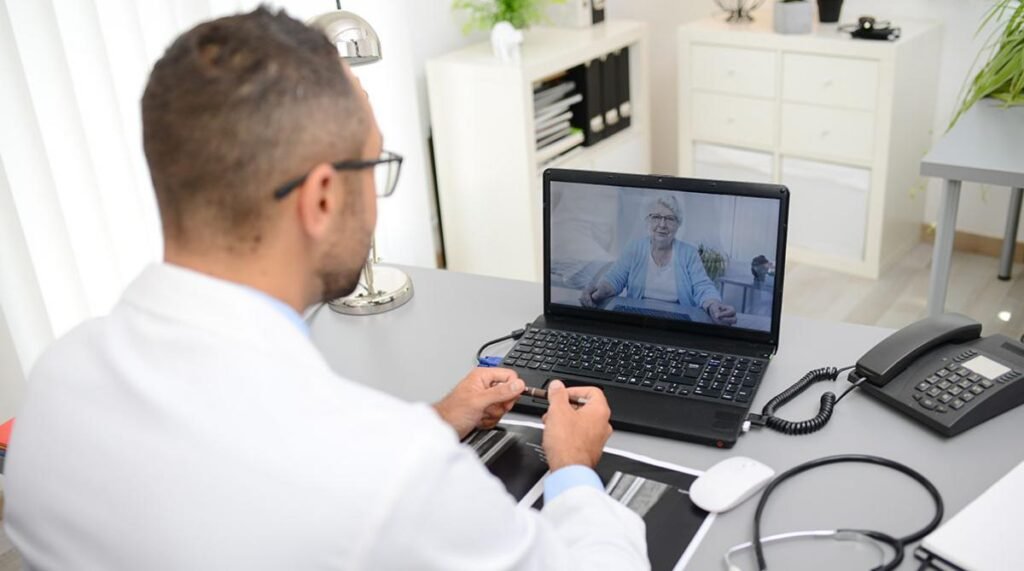
Choosing the right type of medical appointment depends on your symptoms, healthcare needs, and the level of medical assessment required. While traditional clinic visits remain important, modern healthcare offers additional options, including home medical consultations and telemedicine. Both approaches make healthcare more accessible, but they differ in how doctors assess patients, communicate medical advice, and determine appropriate treatment.
Understanding home consultation vs telemedicine can help you decide which option is more suitable for your situation. A home consultation allows a doctor to visit you and conduct an appropriate physical assessment, while telemedicine enables remote communication through video calls, telephone appointments, or secure digital platforms.
So, is it better to have a doctor visit your home or speak to one online? The answer depends on whether your condition requires a physical examination, how urgent your symptoms are, and whether remote medical advice is sufficient. Understanding these differences can help you choose an appropriate appointment without compromising your health or safety.
A home medical consultation is an appointment in which a qualified healthcare professional visits a patient’s residence to provide medical assessment and care within their professional scope.
If you would like to understand the process in more detail, our guide explaining how a home doctor consultation works provides further information about home visits and their suitability for different healthcare needs.
Instead of travelling to a clinic or hospital, patients can receive medical attention in a familiar environment. This can be particularly useful for elderly individuals, people with mobility difficulties, patients recovering from surgery, and families looking after someone who is unwell.
During a home consultation, a doctor can review the patient’s medical history, discuss symptoms, check relevant vital signs, and perform an appropriate physical examination. Depending on the patient’s condition and available equipment, additional assessments may also be possible.
One of the main advantages of this approach is direct interaction. Doctors can observe certain physical symptoms, examine affected areas, and communicate with patients and caregivers face-to-face.
A home consultation does not mean every medical procedure or investigation can be performed at home. If a condition requires advanced diagnostic equipment, specialist assessment, or hospital treatment, the doctor may recommend further medical care.
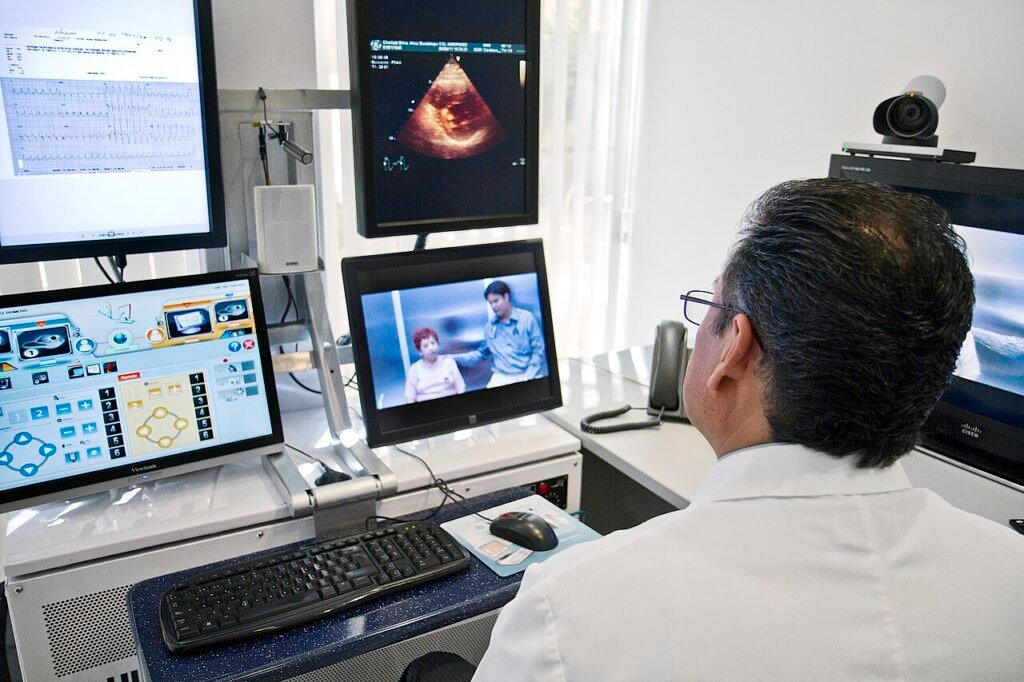
Telemedicine is the delivery of healthcare services through digital communication technologies. It allows patients to consult healthcare professionals remotely without travelling to a clinic or hospital.
Appointments may take place through video calls, telephone conversations, or secure healthcare platforms. Patients can explain their symptoms, discuss existing conditions, share medical reports, and receive professional advice.
Telemedicine is particularly useful for routine follow-ups, medication reviews, discussing test results, and obtaining guidance about certain minor health concerns.
For example, someone who has already received a diagnosis and wants to discuss their treatment progress may be able to complete the appointment remotely.
However, telemedicine relies heavily on the information patients provide and what doctors can observe through digital communication. It cannot replace every physical examination or diagnostic procedure.
If a doctor cannot confidently assess a condition remotely, an in-person appointment may be necessary.
Although both options provide alternatives to traditional clinic appointments, they differ in several important ways.
The ability to examine a patient directly is one of the most significant differences. During a home consultation, a doctor can perform appropriate physical assessments, check vital signs using suitable equipment, examine visible symptoms, and assess certain areas of pain or discomfort.
Telemedicine generally limits these assessments. A doctor may observe a rash, swelling, or other visible symptom through a video call, but cannot perform many hands-on examinations remotely.
This distinction is particularly important when evaluating unexplained pain, injuries, persistent symptoms, or conditions that require direct clinical assessment.
Telemedicine offers convenience because patients can speak with doctors from almost anywhere with a suitable device and internet connection.
It removes the need to travel, arrange transportation, and wait at a medical facility.
Home consultations also reduce travel requirements because the healthcare professional visits the patient’s location. This may be especially helpful for people who are elderly, physically uncomfortable, or unable to travel easily.
Older adults who require regular assistance or ongoing support may also benefit from exploring healthcare support for elderly individuals, particularly when their needs extend beyond a single doctor’s appointment.
However, home appointments require coordination with a healthcare provider and depend on service availability in the patient’s area.
A home consultation provides face-to-face communication, allowing patients to explain their concerns and interact directly with the doctor.
This can be helpful when discussing complicated symptoms, understanding examination findings, or involving family members in a patient’s care.
Telemedicine also supports personal interaction, particularly through video appointments. However, internet interruptions, poor audio quality, and limited visual information may affect communication.
Online appointments may be easier to arrange when patients need routine advice or follow-up discussions.
Home consultations require a healthcare professional to travel to the patient’s location, so appointment timing depends on availability and travel arrangements.
The more suitable option depends on the patient’s circumstances and the type of medical attention required.
When comparing in-person consultation vs online consultation, the most important consideration is whether the doctor needs to examine you physically.
An in-person consultation is generally more appropriate when symptoms require direct assessment. This may include unexplained swelling, persistent pain, certain injuries, or symptoms that cannot be evaluated adequately through a video call.
Online consultations can be suitable for less complex healthcare needs, including routine follow-ups, medication discussions, reviewing medical reports, and general health guidance.
Consider these examples:
Neither appointment type is automatically better. The right choice depends on the clinical information needed to make safe medical decisions.
If you are still unsure whether to arrange an appointment at home or visit a clinic, read our guide on when an in-person medical assessment is appropriate to understand the circumstances in which each option may be suitable.
Telemedicine has made healthcare more accessible, but patients should understand its limitations before choosing an online appointment.
Doctors cannot perform many hands-on examinations remotely. They may be unable to assess tenderness, certain types of swelling, joint movement, or other physical signs accurately. Patients can describe their symptoms and share photographs, but these details may not provide enough information for a complete assessment.
Online consultations require a suitable device, a reliable internet connection, and a secure communication platform. Technical interruptions, poor video quality, or difficulty sharing medical documents can affect the consultation.
Certain health concerns require physical examinations, laboratory investigations, imaging, or urgent treatment.
For these conditions, telemedicine alone may not provide sufficient medical information. A doctor may recommend an in-person assessment or referral to an appropriate healthcare facility.
Patients may not always have access to a private environment for discussing sensitive medical concerns.
Digital communication can also make it more difficult for doctors to interpret certain non-verbal signs or fully understand a patient’s condition.
These telemedicine limitations highlight why remote healthcare should be used when clinically appropriate, with access to in-person care whenever necessary.
The comparison between online doctor consultation vs physical examination helps explain why some medical appointments can be conducted remotely while others require direct assessment.
An online doctor consultation allows patients to explain symptoms, discuss medical history, and receive professional guidance. Doctors may also review existing laboratory reports, imaging results, and other medical documents.
However, a physical examination provides additional information that cannot always be obtained through a digital appointment.
Depending on the patient’s symptoms, an in-person examination may involve:
These assessments can help doctors understand a patient’s condition and determine whether further investigations are required.
Not every appointment requires a physical examination. Many follow-up discussions and routine healthcare consultations can be handled remotely.
However, when symptoms require direct clinical assessment, an online appointment should not delay an appropriate in-person examination.
A home consultation may be a suitable option when a patient needs face-to-face medical attention but travelling to a clinic is difficult or inconvenient.
Consider this option in the following circumstances:
For patients who need more than an occasional medical appointment, ongoing support at home may also be beneficial. Depending on their individual needs, exploring professional health care services in dubai can help them understand the options available for continued care and recovery.
Telemedicine can be an appropriate choice when patients need professional medical guidance but do not necessarily require a physical examination.
It may be particularly useful for:
However, an online appointment should not be used as a substitute for emergency care or a necessary physical examination.
For patients in Dubai, choosing between an online consultation and an in-person home visit may depend on the type of assessment needed.
Telemedicine can be a convenient option for follow-up discussions, reviewing medical information, and receiving general healthcare guidance.
A doctor home visit may be more appropriate when direct assessment is required but the patient would prefer not to travel to a clinic.
For example, someone experiencing symptoms that require a physical examination may benefit from an in-person medical assessment at home, provided the condition is suitable for home-based care.
EMAHS offers a Doctor on Call service in Dubai, with doctors available for visits to homes, hotels, and offices. Its website describes the service as available 24/7 and states that its doctors are DHA-licensed.
Patients can explore the service to understand the available arrangements and determine whether a home medical consultation is appropriate for their needs.
Importantly, a home visit should not delay emergency treatment when a patient’s symptoms indicate a potentially life-threatening condition.
Yes. Home consultations and telemedicine can complement each other as part of a coordinated healthcare approach.
Rather than treating them as competing options, patients and healthcare professionals can use both methods depending on the stage of care.
For example, a patient may initially discuss symptoms through telemedicine. If the doctor determines that a physical examination is necessary, an in-person appointment can then be arranged.
Similarly, after a home consultation, patients may be able to use telemedicine for suitable follow-up discussions, medication reviews, or treatment progress updates.
This approach can reduce unnecessary travel while ensuring patients receive physical assessments whenever required.
The decision should always depend on clinical judgment, patient safety, and the availability of appropriate healthcare services.
EMAHS makes accessing medical attention more convenient by bringing doctors directly to homes, hotels, and offices across Dubai.
Here are a few reasons to consider EMAHS:
Neither option is universally better. Home consultations are more suitable when a patient needs a physical examination, while telemedicine may be sufficient for routine follow-ups, report reviews, and general medical advice.
Doctors can assess certain conditions remotely using a patient’s symptoms, medical history, visual information, and available medical records. However, some conditions require physical examinations or additional diagnostic investigations.
The main limitations include restricted physical examinations, dependence on technology, potential privacy concerns, and limited suitability for certain medical conditions.
A home visit may be appropriate when you need an in-person medical assessment but have difficulty travelling to a clinic. A doctor can help determine whether your condition can be safely assessed at home.
The main limitations include restricted physical examinations, dependence on technology, potential privacy concerns, and limited suitability for certain medical conditions.
Not always. Home consultations are suitable for certain medical assessments, but conditions requiring advanced investigations, specialist treatment, or hospital-level care need an appropriate medical facility.
Choosing between home consultation and telemedicine depends on the patient’s symptoms, medical requirements, and the type of assessment needed.
Home consultations offer face-to-face interaction and the opportunity for physical examinations, making them useful for patients who need direct medical attention but have difficulty travelling. Telemedicine provides convenient access to professional guidance and can be effective for many routine healthcare discussions and follow-ups.
When considering home consultation vs telemedicine, the most important factor is whether the appointment provides the appropriate level of medical assessment.
For routine follow-ups and medical advice, telemedicine may be sufficient. When direct examination is necessary, a home consultation or clinic visit may be more suitable.
Ultimately, both approaches can contribute to accessible healthcare when used appropriately. Understanding their differences helps patients make informed decisions, receive suitable medical attention, and avoid delays in getting the care they need.
A home visit may be appropriate when you need an in-person medical assessment but have difficulty travelling to a clinic. A doctor can help determine whether your condition can be safely assessed at home.
The main limitations include restricted physical examinations, dependence on technology, potential privacy concerns, and limited suitability for certain medical conditions.
When you are preparing for

Choosing the right type of

Healthcare needs can arise at